Hope is a fragile(脆弱的;易碎的) thing. You can only hold on to(紧紧抓住;坚持) it as long as you find reasons to believe tomorrow can be better. A woman, for instance, who has the resources and opportunity to rent her own flat will be more likely to leave her abusive(施虐的;辱骂的) husband and recover. A pupil who has their own room and desk to do their homework might find more meaning in thriving(茁壮成长;兴旺) at school. And an elderly person who can afford to live in a neighbourhood where they feel safe and connected is less likely to become isolated(孤立的;孤独的) and depressed.
希望是脆弱的东西。只有当你找到理由相信明天会更好,你才能紧紧抓住它。比如,一个有能力、有机会自己租房的女性,更有可能离开施暴的丈夫,重新开始生活。一个拥有自己房间和书桌做作业的学生,或许更能体会到在学业上出人头地的意义。而一位住得起安全、有归属感社区的老年人,则不太可能陷入孤立与抑郁。
It’s not by chance that the examples above all revolve around(围绕;以……为中心) the same topic. Affordable housing is possibly the most personal and most urgent social issue of our time. In Berlin, a city where 85% of residents live in rented accommodation(住所;住宿), rents have risen by almost 70% in the past 10 years. And that is despite a rent control law that has been in effect(生效;有效) since 2015. How? Loopholes and illegal practices have allowed property owners to continue putting pressure on the housing market. The social anxiety caused by this crisis, far from affecting just low-earners and single-parent households, affects vast parts of the middle class, too.(这场危机引发的社会焦虑,远不止影响低收入者和单亲家庭,也波及中产阶级的广大群体。)
上述例子全都围绕同一个话题,这绝非偶然。可负担住房或许是我们这个时代最切身、最紧迫的社会问题。在柏林,85%的居民租房居住,过去十年间租金上涨了近70%。而这一切,还是在2015年生效的租金管制法之下发生的。怎么会这样?漏洞和违法行为让业主得以继续对住房市场施压。这场危机引发的社会焦虑,远不止影响低收入者和单亲家庭,也波及中产阶级的广大群体。
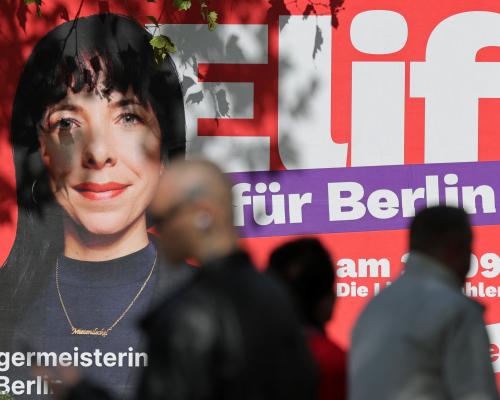
So what does a political party need to do to get into power in the state of Berlin? It’s really not rocket science(并非高深难题): focus on the housing crisis, provide solutions and avoid distraction(干扰;分心之物)s by political opponents. This is exactly what the leftwing party Die Linke has been doing for months. The result of last Sunday’s state election is striking(引人注目的;显著的): for the first time, Die Linke, with 25.7%, became the strongest party in Berlin. Not because everyone who voted for it suddenly agreed with everything else the party stands for. But because, more than any other party in this campaign, Die Linke made this issue unmistakably its own: the question of who gets to live in Berlin, and at what price.(而是因为在这场选战中,左翼党比任何其他政党都更明确地把这个问题变成了自己的招牌:谁有资格住在柏林,以及以什么代价住。)
那么,一个政党要在柏林州掌权,需要做些什么?这真不是什么高深难题:聚焦住房危机,拿出解决方案,不被政治对手的干扰带偏。这正是左翼党(Die Linke)数月来一直在做的事。上周日州议会选举的结果令人瞩目:左翼党以25.7%的得票率首次成为柏林最强政党。这并非因为所有投票给它的人都突然认同了该党的全部主张,而是因为在这场选战中,左翼党比任何其他政党都更明确地把这个问题变成了自己的招牌:谁有资格住在柏林,以及以什么代价住。