It began on 28 July, when fishers near Saldanha Bay on the west coast of South Africa reported seeing dead sardines (also known as pilchards(沙丁鱼(南非称法))) floating at sea. Then, in early August, more dead sardines began washing up on beaches(被冲上海滩) near Cape Town.
事情始于7月28日,当时南非西海岸萨尔达尼亚湾附近的渔民报告称看到死沙丁鱼(又称皮尔彻德鱼)漂浮在海面上。随后,8月初,更多死沙丁鱼开始被冲上开普敦附近的海滩。
In the weeks that followed, similar reports came in from places across a vast area spanning(横跨,覆盖) 2,600km (1,600 miles) of coastline, such as Henties Bay(纳米比亚海滨小镇) in Namibia and Mbotyi in the Eastern Cape(南非东开普省) province of South Africa.
在接下来的几周里,类似报告从一片广阔区域纷至沓来,覆盖了长达2600公里(1600英里)的海岸线,例如纳米比亚的亨蒂斯湾和南非东开普省的姆博蒂。
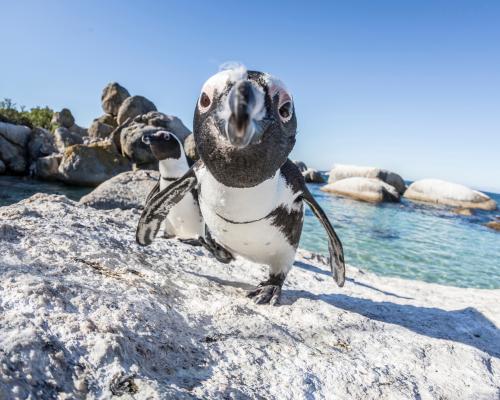
Sardines, sometimes described as “the energy bars of the sea(海洋能量棒)”, are a key food source for seabirds – including the critically endangered(极度濒危) African penguin, which only feeds on sardines and anchovies(鳀鱼) – seals, common dolphins and other fish. Meanwhile, the commercial sardine fishery contributes billions of rands(兰特(南非货币)) and thousands of jobs to South Africa’s economy.
沙丁鱼有时被形容为“海洋能量棒”,是海鸟(包括极度濒危的非洲企鹅,它们只以沙丁鱼和鳀鱼为食)、海豹、真海豚和其他鱼类的主要食物来源。与此同时,商业沙丁鱼渔业为南非经济贡献了数十亿兰特和数千个就业岗位。