For one last time, António Guterres tried to fix(使固定;集中(目光)) the world’s gaze upon the dangerously escalating(不断升级的) climate crisis. But the departing UN secretary general found world leaders still largely focused on other issues, even after a painful summer of stunning climate-driven disasters.(但这位即将卸任的联合国秘书长发现,即便在经历了气候灾难频发、令人痛心的一个夏天之后,世界领导人仍然大多关注其他议题。)
安东尼奥·古特雷斯最后一次试图让世界把目光投向危险升级的气候危机。但这位即将卸任的联合国秘书长发现,即便在经历了气候灾难频发、令人痛心的一个夏天之后,世界领导人仍然大多关注其他议题。
Speaking to assembled dignitaries(政要;显贵) at the UN on Tuesday, Guterres railed against(痛斥;严厉谴责) big oil(大型石油公司) for treating “the atmosphere as an open sewer(露天下水道)” and warned again of the catastrophic(灾难性的) effects of the climate crisis.
周二,古特雷斯在联合国对聚集一堂的政要发表讲话,痛斥大型石油公司把“大气层当作露天下水道”,并再次警告气候危机将带来灾难性后果。
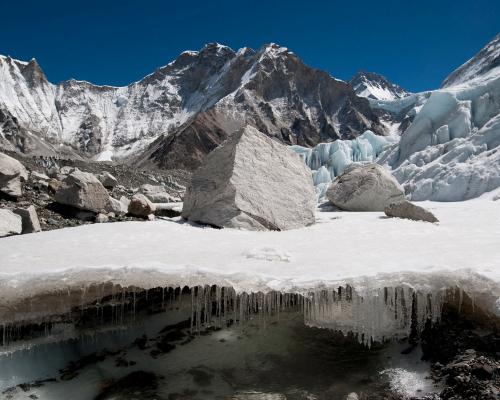
Guterres said: “Three years ago, in the mountains of Nepal, I sounded the alarm(发出警报) on accelerating glacier melt, warning that the rooftops of the world(世界屋脊) are caving in(塌陷;崩溃). Some dismissed(不予理会;否定) it all as overstating(夸大) dangers.
古特雷斯说:“三年前,在尼泊尔的山脉中,我就冰川加速融化发出警报,警告说世界的屋顶正在塌陷。有些人却认为这不过是危言耸听。”