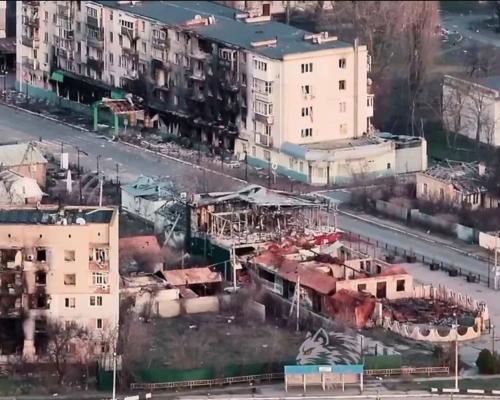
The phone message sent out of Russian-occupied Oleshky was grimly matter-of-fact: food had finally run out for the 2,000 or so civilians, including 50 children, remaining in the city and its surrounding villages.(从俄占奥列什基传出的手机信息冷酷而直白:城内及周边村庄剩余约两千名平民(包括五十名儿童)的食物终于耗尽。)
从俄占奥列什基传出的手机信息冷酷而直白:城内及周边村庄剩余约两千名平民(包括五十名儿童)的食物终于耗尽。
“We’re in Oleshky [and] we can’t get out. We’re going hungry … Right now, I’ve got absolutely nothing to eat,” read the message from a woman in the besieged city who was waiting to be evacuated by the occupying forces.(“我们在奥列什基,出不去。我们在挨饿……眼下我一点吃的都没有。”这条信息来自这座被围困城市中的一名妇女,她正等待占领军将她撤离。)
“我们在奥列什基,出不去。我们在挨饿……眼下我一点吃的都没有。”这条信息来自这座被围困城市中的一名妇女,她正等待占领军将她撤离。
Before the war, she had weighed 110kg (17st); now she weighed just 67kg, she wrote. “At first I was glad [to lose some weight], but now I realise I’ll die without proper protein-rich food. It’s very hard. The house where we stayed last winter was also destroyed and burned down. Just like our own home … We’re still alive.”(“起初我还庆幸(瘦了些),但现在我意识到,没有合适的富含蛋白质的食物,我会死。太难了。去年冬天我们住的房子也被摧毁、烧毁了。就像我们自己的家一样……我们还活着。”)
她写道,战前她体重110公斤(17英石),如今只剩67公斤。“起初我还庆幸(瘦了些),但现在我意识到,没有合适的富含蛋白质的食物,我会死。太难了。去年冬天我们住的房子也被摧毁、烧毁了。就像我们自己的家一样……我们还活着。”