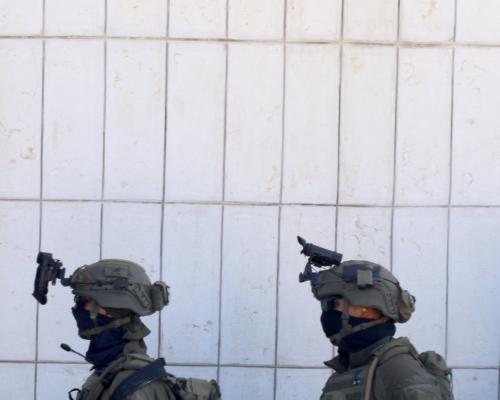
As tech leaders warn about the threats of artificial intelligence, most conjure up(使浮现于脑海) images of AI agents running amok(失控地、疯狂地), such as hacking systems used to run our critical infrastructure, banks or even militaries. Yet one serious danger is mentioned less frequently – the threat posed(造成、构成(威胁)) by AI–empowered lethal weapons. Fully autonomous versions of these weapons are colloquially known as(俗称、口语中称为) killer robots(杀手机器人:完全自主致命武器的俗称).
当科技领袖们就人工智能的威胁发出警告时,多数人脑海中浮现的是AI智能体失控作乱的画面,比如入侵我们关键基础设施、银行乃至军队所使用的系统。然而,有一种严重危险却较少被提及——AI赋能的致命武器所带来的威胁。这类武器的完全自主版本,俗称“杀手机器人”。
Israel’s conduct in Gaza shows that, in an important respect, such AI weapon systems are already here.(以色列在加沙的行为表明,从某个重要意义上说,这类AI武器系统早已存在。) An algorithm(算法) has been deciding who lives and who dies.
以色列在加沙的行为表明,从某个重要意义上说,这类AI武器系统早已存在。算法一直在决定谁生谁死。
For more than a decade, governments have been meeting in Geneva to stop the development of autonomous(自主的、自治的) AI weapons. In early September, 128 governments met to approve a report that could serve as the foundation for(作为……的基础) a binding(有约束力的) treaty.
十多年来,各国政府一直在日内瓦开会,试图阻止自主AI武器的发展。今年9月初,128国政府齐聚一堂,批准了一份可能成为具有约束力条约基础的报告。