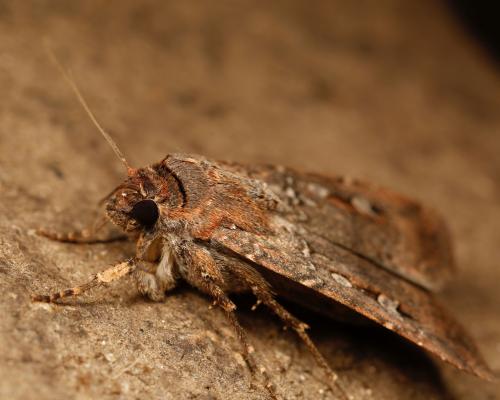
Skies over parts of New South Wales have been aflutter(飘动;热闹非凡) in recent days as swarms(成群;一大群) of bogong moths begin their annual migration, travelling up to 1,000 km from their breeding grounds(繁殖地) in different parts of the country to a small number of cool caves in the Australian Alps(澳大利亚阿尔卑斯山脉).
近日,新南威尔士州部分地区的天空热闹非凡,成群的布冈夜蛾开始了它们一年一度的迁徙。它们从澳大利亚各地不同的繁殖地出发,飞行长达1000公里,前往澳大利亚阿尔卑斯山为数不多的凉爽洞穴。
Sightings of the endangered(濒危的) moth have increased over the last two years, but reports to the citizen science program(公民科学项目) Moth Tracker this September alone have exceeded(超过) 2025’s total figures, according to Zoos Victoria(维多利亚动物园), which runs the platform.
过去两年,这种濒危蛾类的目击次数有所增加,但据运营该平台的维多利亚动物园称,仅今年9月向公民科学项目“飞蛾追踪者”(Moth Tracker)提交的报告就已超过2025年全年的总数。
What do the burgeoning(激增的;迅速发展的) insect numbers mean for(对……意味着) their recovery, and what should you do if you find bogongs inside your home?
昆虫数量的激增对它们的种群恢复意味着什么?如果你在家里发现布冈夜蛾,又该怎么办?
Why am I seeing so many bogong moths?
为什么我会看到这么多布冈夜蛾?
What do I do if I find bogong moths in my home or workplace?
如果在家或工作场所发现布冈夜蛾,我该怎么办?
How do the moths know where to go? How long do they travel for?
蛾子怎么知道该去哪里?它们要飞多久?