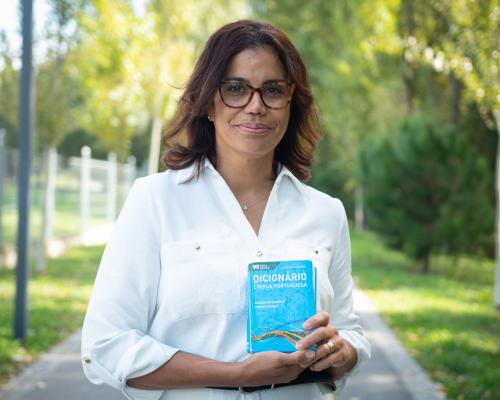
Not long after she started studying to become a nurse in Portugal, Iracema Ferreira began bringing a dictionary to her classes as a retort to accusations she was speaking Brazilian, not Portuguese.(伊拉塞马·费雷拉在葡萄牙开始学习护理后不久,就开始带字典去上课,以此反驳别人指责她讲的是巴西话而非葡萄牙语。) “It was to show that those words are in the Portuguese language dictionary,” she said.
伊拉塞马·费雷拉在葡萄牙开始学习护理后不久,就开始带字典去上课,以此反驳别人指责她讲的是巴西话而非葡萄牙语。“就是为了证明那些词在葡萄牙语词典里都有,”她说。
A Brazilian speech therapist(言语治疗师), Ferreira moved to Portugal in 2020 and later heard from several colleagues from her home country that the process of getting a licence to work in the European country was a dead end(死胡同,行不通). The 45-year-old soon abandoned the idea of continuing the career she had practised for a decade and switched to nursing instead.(这位45岁的女士很快放弃了继续从事她已从业十年的职业的念头,转而学习护理。)
作为一名巴西言语治疗师,费雷拉于2020年移居葡萄牙,后来从几位来自祖国的同事那里听说,在这个欧洲国家获得工作执照的过程是条死胡同。这位45岁的女士很快放弃了继续从事她已从业十年的职业的念头,转而学习护理。
The speech therapists’ struggle for recognition underlines what Brazilians say is a wider strand of prejudice still embedded into Portuguese society against the language variant of its former colony.(言语治疗师们争取认可的斗争,凸显了巴西人所说的葡萄牙社会对其前殖民地语言变体根深蒂固的广泛偏见。) “It’s glottophobia(语言歧视),” said Tanise Anhaia, president of the Brazilian Speech Therapists Association in Portugal (AFBP), using a term to mean linguistic discrimination.
言语治疗师们争取认可的斗争,凸显了巴西人所说的葡萄牙社会对其前殖民地语言变体根深蒂固的广泛偏见。“这是语言歧视,”在葡巴西言语治疗师协会(AFBP)主席塔尼斯·阿尼亚说,她使用这个术语来指代语言歧视。