The town hall of Heidenau, Germany has a freshly restored cream-coloured facade(建筑正面;外观), tidy flower boxes on the windowsills and a charming shingled(木瓦覆盖的) clocktower.
德国海德瑙的市政厅有着新近修复的米色外墙、窗台上整齐的花箱,以及一座迷人的木瓦钟楼。
At the entrance, closer inspection reveals a single brass plaque embedded in the pavement honouring the former mayor Paul Gröger, whom the Nazis hounded into killing himself.(在入口处,仔细看会发现人行道上嵌着一块黄铜牌匾,纪念前市长保罗·格勒格尔——他被纳粹逼得自杀身亡。)
在入口处,仔细看会发现人行道上嵌着一块黄铜牌匾,纪念前市长保罗·格勒格尔——他被纳粹逼得自杀身亡。
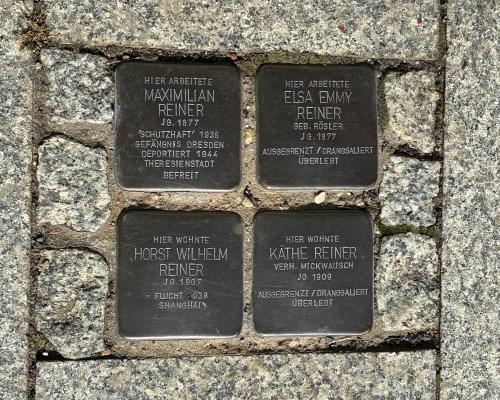
The plaque is one of 128,000 Stolpersteine(绊脚石:纪念纳粹受害者的铜质地砖) (stumbling stones) across Europe, a donor-funded project keeping alive(使延续;使保持活力) the memory of individual victims of the Nazi era.
这块牌匾是全欧洲12.8万块“绊脚石”之一,这是一个由捐赠者资助的项目,旨在让纳粹时期个体受害者的记忆得以延续。