If the past is another country(过去是另一个国度), and there is nothing so poignant(令人感伤的) as the innocence of recent history, then there is a third category of engagement with the era directly preceding our own, encapsulate(概括,浓缩)d by the line “that didn’t age well(那话现在站不住脚了)”.
如果说过去是另一个国度,而近期历史的天真无邪最令人感伤,那么对待紧邻当下之前那个时代,还有第三种态度,可以用一句话概括:“那话现在可站不住脚了。”
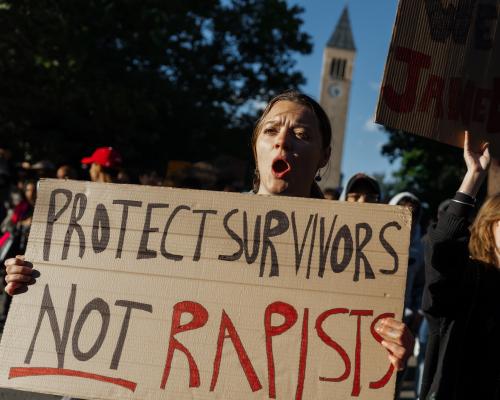
I found myself thinking about this in relation to news of the seven male students accused of gang-raping a 20-year-old woman two years ago in their fraternity house(兄弟会会所) at Cornell University, and now facing a civil suit(民事诉讼) brought by their alleged victim. Apparent failures by Cornell and the local district attorney to act appropriately at the time have triggered another round of commentary about the “death of #MeToo”, not least with the looming anniversary on 15 October, the date in 2017 when the hashtag first went viral.(康奈尔大学及当地检察官当时显然未能恰当处理,这引发了新一轮关于“#MeToo已死”的评论,尤其是10月15日这个纪念日即将到来——2017年的这一天,该话题标签首次疯传。) But the period I find myself thinking about predate(早于,先于)s even that, when it seemed as if these questions of consent had been largely resolved.
我发现自己之所以想到这些,是因为看到一则新闻:七名男学生被控两年前在康奈尔大学的兄弟会会所轮奸一名20岁女性,如今正面临据称受害者的民事诉讼。康奈尔大学及当地地区检察官当时显然未能恰当处理,这引发了新一轮关于“#MeToo已死”的评论,尤其是10月15日这个纪念日即将到来——2017年的这一天,该话题标签首次疯传。但我所思考的时期比这还要早,那时人们似乎觉得,这些关于同意的问题已经基本解决了。
“Campus rape” – a category of sex crime historically taken even less seriously by the criminal justice system than regular rape – has always flushed out complacencies among those who otherwise consider themselves liberal.
“校园强奸”——这类性犯罪在刑事司法系统中历来比普通强奸更不被当回事——总是能暴露出那些自认开明的人身上的自满情绪。