Werner Best(维尔纳·贝斯特,纳粹高级官员), a senior SS(党卫队) official and jurist(法学家) who helped organize the Nazi death squads(行刑队) that murdered hundreds of thousands of Jews, is also known for his statement: “We must destroy the enemy without hating him.” He belonged to a younger generation of Nazi technocrats, who despised the foul-mouthed, beer-bellied, brown-shirted “old fighters” of the Nazi party in the 1920s, and believed in organizing genocide neatly and dispassionately.(他属于纳粹技术官僚中较年轻的一代,瞧不起20世纪20年代纳粹党内那些满嘴脏话、大腹便便、身穿褐衫的“老战士”,信奉有条不紊、冷静无情地组织种族灭绝。) After the fall of the regime, Best escaped justice(逃脱法律制裁) for the rest of his long life, dying peacefully in Germany in 1989. His chilling statement came to my mind while I was watching the film NAZA.
维尔纳·贝斯特是党卫队高级官员兼法学家,曾参与组织纳粹行刑队,屠杀了数十万犹太人。他留下的一句名言同样为人所知:“我们必须消灭敌人,但不恨他。”他属于纳粹技术官僚中较年轻的一代,瞧不起20世纪20年代纳粹党内那些满嘴脏话、大腹便便、身穿褐衫的“老战士”,信奉有条不紊、冷静无情地组织种族灭绝。政权垮台后,贝斯特终其漫长一生都逃脱了法律制裁,1989年在德国平静离世。观看纪录片《NAZA》时,他这句令人不寒而栗的话浮现在我的脑海。
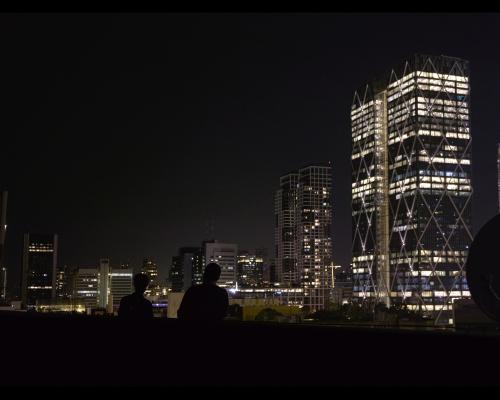
I grew up in Tel Aviv and have visited there often in recent years. That is why the interviews with 24 Israeli soldiers and intelligence officers(情报官员), which make up(构成) this documentary, felt strangely familiar. The conversations are conducted at night on rooftops, and the camera scans the cityscape(城市景观), lingering(流连、徘徊) on apartment windows as their inhabitants watch TV and make dinner. The landscape was intimately recognizable, and I felt a natural affinity(天然的亲近感) with those people living their lives. I also recognized the way the interviewees talked – their speech patterns(语言习惯) and choice of words. They reminded me of my son, who served more than a decade ago in the intelligence unit many of them might have belonged to.(他们让我想起我的儿子,十多年前,他曾在他们中许多人可能隶属的情报部队服役。)
我在特拉维夫长大,近年来常去那里。正因如此,这部纪录片中对24名以色列士兵和情报人员的采访,让我感到一种奇异的熟悉。访谈在夜间进行,地点是屋顶,镜头扫过城市景观,在公寓窗户上流连,窗内居民正在看电视、做晚饭。这片景象我无比熟悉,我对那些过着日常生活的人有一种天然的亲近感。我也熟悉受访者的说话方式——他们的语言习惯和用词。他们让我想起我的儿子,十多年前,他曾在他们中许多人可能隶属的情报部队服役。
But the dispassionate(冷静的), technical and calm tone of the 24 men and women, as they describe in great detail the killing of people in Gaza, who are just as human as those in the surrounding buildings, brought back other associations – with men like Best and his ilk(同类、之流). It is the disjuncture between the familiar and intimate, on the one hand, and the coldly efficient and murderous, on the other, that makes this film unforgettable and an important statement about the world we currently inhabit.(正是这种熟悉与亲密,同冷酷高效与杀戮之间的断裂,使这部影片令人难忘,也成为对我们当下所居世界的一份重要宣言。)
但这24名男女在详细描述加沙杀戮时那种冷静、技术化、平和的语气,却让我产生了另一种联想——联想到贝斯特之流。正是这种熟悉与亲密,同冷酷高效与杀戮之间的断裂,使这部影片令人难忘,也成为对我们当下所居世界的一份重要宣言。