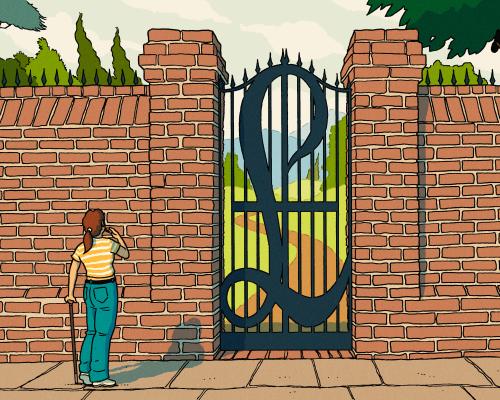
Seemingly brilliant conference speeches are often followed by a hangover(随之而来的是头痛/后遗症), and so it has arguably proved with Andy Burnham’s. It was, it has to be said, something of a triumph, but there is now a familiar sense of nagging(挥之不去的、令人烦恼的) angst(焦虑、忧惧) over how his big idea of a national care service is actually going to work. But equally, it doesn’t seem unreasonable to be more generous and patient. The policy issues are vast. The new PM’s commitment to serious change is clear. And having been urgently needed for years, the basics of what he wants – personal, home-based care delivered free at the proverbial point of need – will be on their way if Labour wins the next election.(而且,他想要的基本方向——在需要之时免费提供个性化的居家照护——已经亟需多年,只要工党赢得下届大选,就会开始推进。)
看似精彩的会议演讲往往过后就让人头疼,安迪·伯纳姆的演讲可以说正是如此。必须承认,那场演讲算得上一次成功,但如今人们又生出一种熟悉的焦虑:他提出的全国照护服务这一宏大构想究竟如何落地?不过话说回来,多一分宽容和耐心似乎也不无道理。政策问题盘根错节,新首相推动重大变革的决心毋庸置疑。而且,他想要的基本方向——在需要之时免费提供个性化的居家照护——已经亟需多年,只要工党赢得下届大选,就会开始推进。
Here, though, is a question that is much less finely balanced(势均力敌的、难以取舍的). Neither Burnham’s speech nor the much shorter address given by Yvette Cooper, the new health and social care secretary, contained a single mention of what roughly half of England’s social care budgets are spent on: provision for working-age disabled adults.(伯纳姆的演讲,以及新任卫生与社会照护大臣伊薇特·库珀短得多的讲话,都只字未提英格兰社会照护预算大约一半花在了什么地方:为劳动年龄残障成年人提供的照护。) Why not? I get the politics: fixating(专注于、痴迷于) on older people’s care and the pensions triple lock(养老金三重锁定) makes everything clear and relatable. But England’s fragmented(支离破碎的、碎片化的), unreliable system for younger disabled adults is in need of the same radical level of reform, and it’s the source of just as much fear and worry for the people who either depend on it, or eventually will do.
然而,有一个问题却远没有那么难以权衡。伯纳姆的演讲,以及新任卫生与社会照护大臣伊薇特·库珀短得多的讲话,都只字未提英格兰社会照护预算大约一半花在了什么地方:为劳动年龄残障成年人提供的照护。为什么不提?我明白其中的政治考量:聚焦老年人照护和养老金三重锁定,能让一切显得清晰易懂、贴近人心。但英格兰为年轻残障成年人提供的照护体系支离破碎、极不可靠,同样需要大刀阔斧的改革,而且它给那些依赖它、或终将依赖它的人带来的恐惧和忧虑,丝毫不亚于老年人照护。
I am one of them. In fact, I suffer from two sub-types of what we might call Care Dread(照护恐惧). My mum is 83, my dad is 90, and they currently pay for visits from domiciliary(上门服务的、居家照护的) care workers whose frequency is only going to go up. My son James – who is autistic and has learning disabilities – has just turned 20. He currently goes to a brilliant further education college, but my partner and I will soon face what special needs parents call “the cliff edge(悬崖边缘(指照护断层))”: a switch from education to adult social care, which will bring on a bucket-load of questions. Could he be helped into employment? If he stays at home, what support and everyday stimulation(刺激、激励) is our local council going to pay for? If he goes into supported living, how do we guard against what I have heard about from other mums and dads: long days spent plonked in front of the TV, the odd trip out, and the possibility of housemates with completely different needs?(如果他进入支持性居住机构,我们又如何防范我从其他家长那里听来的情况:整天被扔在电视机前,偶尔出门一次,还可能碰上需求完全不同的室友?)
我就是其中之一。事实上,我正遭受着两种可称为“照护恐惧”的折磨。我母亲83岁,父亲90岁,他们目前付费请居家照护人员上门,而上门频率只会越来越高。我儿子詹姆斯——患有自闭症和学习障碍——刚满20岁。他目前在一所出色的继续教育学院就读,但我和伴侣很快就要面对特殊需求家长所说的“悬崖边缘”:从教育转向成人社会照护,这会带来一大堆问题。他能得到就业帮助吗?如果他留在家里,地方政府会为哪些支持和日常活动买单?如果他进入支持性居住机构,我们又如何防范我从其他家长那里听来的情况:整天被扔在电视机前,偶尔出门一次,还可能碰上需求完全不同的室友?