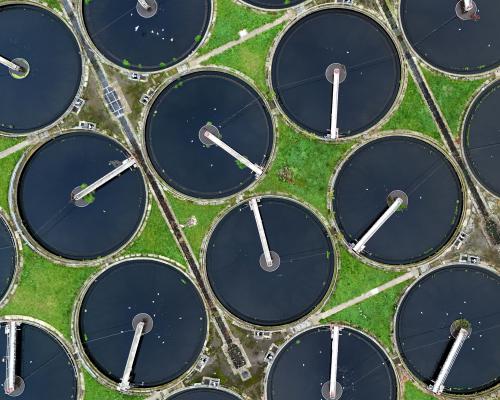
Water companies in the UK made more than £340m in revenue last year by pouring billions of litres of industrial and commercial wastewater into sewage treatment works that experts say are not designed to remove most chemicals, leaving pollutants to pass into rivers, seas and farmland.(英国水务公司去年通过将数十亿升工业与商业废水排入污水处理厂,收入超过3.4亿英镑。专家指出,这些处理厂并非为去除大多数化学物质而设计,导致污染物最终流入河流、海洋和农田。)
英国水务公司去年通过将数十亿升工业与商业废水排入污水处理厂,收入超过3.4亿英镑。专家指出,这些处理厂并非为去除大多数化学物质而设计,导致污染物最终流入河流、海洋和农田。
Water companies in England are required by law to take industrial wastewater and issue permits called “trade-effluent(贸易污水,工业商业废水) consent(许可,同意)s” that allow businesses to send it to sewage works, though water companies can refuse applications.
英格兰的水务公司依法必须接收工业废水,并发放名为“贸易污水排放许可”的许可证,允许企业将废水送往污水处理厂,不过水务公司可以拒绝申请。
However, no independent regulator oversees the trade-effluent process and there is no central register, so Watershed Investigations, the Guardian and the campaign group River Action compiled a database of 26,000 consents, providing the first ever national picture of the system.(然而,没有独立监管机构监督贸易污水流程,也没有中央登记册,因此 Watershed Investigations、《卫报》和活动组织 River Action 编制了一个包含2.6万份许可证的数据库,首次呈现了该系统的全国图景。)
然而,没有独立监管机构监督贸易污水流程,也没有中央登记册,因此 Watershed Investigations、《卫报》和活动组织 River Action 编制了一个包含2.6万份许可证的数据库,首次呈现了该系统的全国图景。