One of the most beloved characters in an absurdist genre of online video content has become the center of an international legal battle that could determine where human creativity ends and artificial intelligence begins.(一个荒诞派网络视频类型中最受欢迎的角色之一,如今成为一场国际法律大战的中心,这场官司可能界定人类创造力的终点与人工智能的起点。)
一个荒诞派网络视频类型中最受欢迎的角色之一,如今成为一场国际法律大战的中心,这场官司可能界定人类创造力的终点与人工智能的起点。
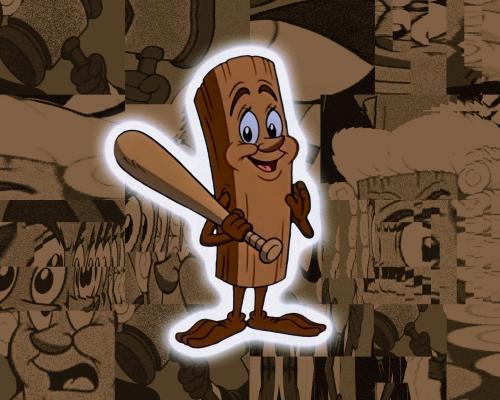
Tung Tung Tung Sahur, also known as Triple T, was created in 2025 by an Indonesian teen who goes by the username Noxa, using OpenAI’s image-generation tool. Based on a kentongan(印尼传统鼓) – a type of drum used to wake south-east Asian Muslims for their pre-dawn meal during Ramadan – the character is an anthropomorphized(拟人化的) version of the instrument with a broad smile and a vacant(空洞的) stare. He sits under the umbrella of(在……的范畴下) “Italian brain rot” internet videos.
“咚咚咚萨胡尔”(又称 Triple T)由一位网名为 Noxa 的印尼少年于 2025 年使用 OpenAI 的图像生成工具创作。这个角色以 kentongan(一种用于在斋月期间唤醒东南亚穆斯林吃封斋饭的鼓)为原型,是将该乐器拟人化后的形象,咧着大嘴、眼神空洞。他属于“意大利脑腐”网络视频的范畴。
Since his creation, Triple T has become a global sensation(轰动;引起轰动的人/事): YouTube and TikTok host dozens of videos with hundreds of millions of views starring the character(由该角色主演). People dress like Triple T at cosplay conventions and lovingly create fan art and animations of the stick-like creature, and his likeness(形象;相似物) appears on plushies(毛绒玩具), perfume and stickers.
自诞生以来,Triple T 已成为全球现象:YouTube 和 TikTok 上有数十个以该角色为主角的视频,观看量达数亿次。人们在动漫展上打扮成 Triple T,满怀热情地为这个火柴棍似的生物创作同人图和动画,他的形象还出现在毛绒玩具、香水和贴纸上。
What constitutes ‘human authorship’ in the age of generative AI?
在生成式AI时代,什么构成“人类作者身份”?
Italian brain rot, global consequences
意大利脑腐,全球后果