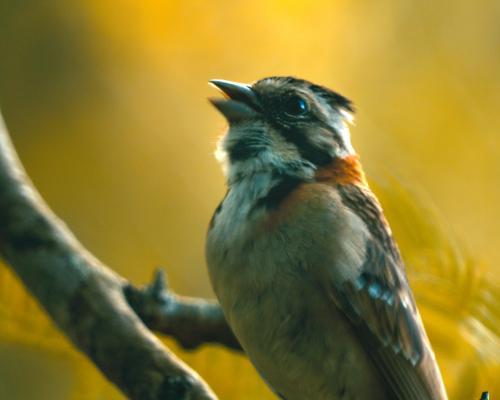
Listening to birdsong is one of life’s great joys, but when researchers heard a particular tune emerging from a tree in a Buenos Aires park, they were especially jubilant(欢欣鼓舞的). This arrangement(改编曲;版本) was among those chirped by the local rufous-collared sparrow(棕顶雀鹀)s in the 1960s, but had since disappeared(此后便消失了) from the area.
聆听鸟鸣是人生一大乐事,但当研究人员听到布宜诺斯艾利斯一座公园的树上传来一段特别的旋律时,他们格外欣喜。这段曲调曾是当地棕顶雀鹀在20世纪60年代鸣唱过的版本之一,但此后便从该地区消失了。
That was until scientists created a computer-generated rendition, curious to find out if birds might consider it realistic enough to imitate.(直到科学家制作出一段计算机生成的版本,想看看鸟类是否会认为它足够逼真而加以模仿。) Less than three months later, a local avian(鸟类的) resident began to copy parts of the song.
直到科学家制作出一段计算机生成的版本,想看看鸟类是否会认为它足够逼真而加以模仿。不到三个月,一只当地鸟居民便开始模仿这段鸣唱的部分内容。
There is a growing recognition of birdsong’s importance to conservation(保护;保育), and of the need to better understand how birds learn to sing. If an individual sings well, and in a familiar “dialect”, they are better placed to find a mate, defend their territory and ultimately survive.(如果一只鸟唱得好,而且用的是熟悉的“方言”,它就更有可能找到配偶、保卫领地,并最终存活下来。)
人们日益认识到鸟鸣对保护工作的重要性,也越发意识到需要更好地理解鸟类如何学习鸣唱。如果一只鸟唱得好,而且用的是熟悉的“方言”,它就更有可能找到配偶、保卫领地,并最终存活下来。