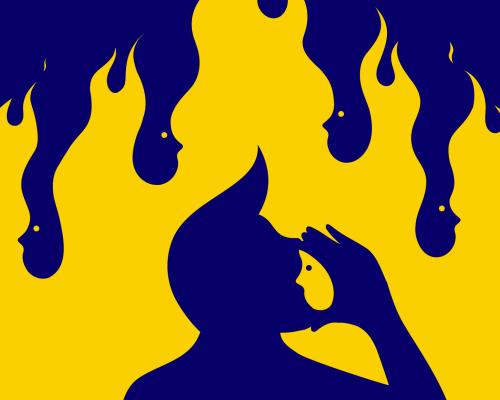
These days, it’s easy to succumb(屈服,陷入) to hopelessness. Whether you’re thinking about the climate crisis, the prospect of AI apocalypse(末日,大灾难), war or political turmoil, the list of challenges facing humanity can seem insurmountable(难以逾越的).
如今,人们很容易陷入绝望。无论你想到的是气候危机、人工智能末日的前景、战争还是政治动荡,人类面临的挑战清单似乎都难以逾越。
It certainly feels unprecedented(前所未有的), and much of it may be. The sense of impending doom(迫在眉睫的厄运), on the other hand, is nothing new. And what we have learned from the past is that doomerism(末日论,悲观主义) can lead to paralysis(瘫痪,动弹不得). If everyone freezes, then nothing changes – but if we want to have a chance of mitigating some of the threats I’ve mentioned then action is what’s required.
这一切确实让人感觉前所未有,其中很多也许的确如此。但另一方面,大难临头的感觉并不新鲜。我们从过去学到的是,末日论会导致瘫痪。如果所有人都僵住了,那就什么都不会改变——但如果我们想有机会缓解我提到的某些威胁,就需要采取行动。
In 1947, The Bulletin of the Atomic Scientists created an infamous(臭名昭著的) magazine cover with a “Doomsday Clock(末日时钟,象征人类距灾难的远近)”. The hands move closer to midnight whenever events push humanity a little closer to catastrophe(大灾难). They move back when we make the world a little safer. The original setting was seven minutes to midnight, and the hands are now a mere(仅仅,只不过) 85 seconds away.
1947年,《原子科学家公报》制作了一个臭名昭著的杂志封面,上面画着“末日时钟”。每当有事件把人类推向灾难更近一步,指针就会向午夜靠近;当我们让世界稍微安全一些,指针就会后退。最初的设定是距午夜七分钟,而如今指针距午夜仅85秒。
Further reading
延伸阅读