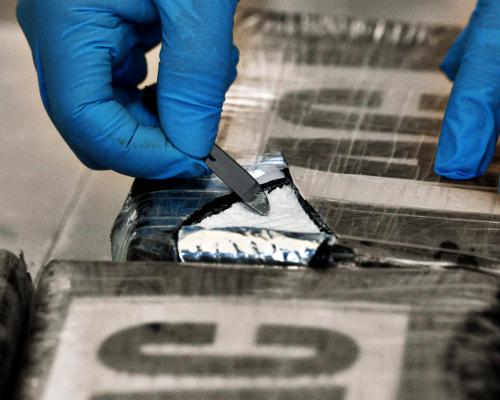
A four-month investigation by the Guardian has revealed that the surge(激增) in cocaine trafficking(非法贩运) to Europe is directly linked to the expanding presence of Latin American criminal networks in Europe, where they have forged close ties with(与……结成紧密关系) local mafia(黑手党) organisations.
《卫报》为期四个月的调查显示,流入欧洲的可卡因激增,与拉丁美洲犯罪网络在欧洲的势力扩张直接相关——这些网络已与当地黑手党组织结成紧密同盟。
The investigation, utilising(利用) databases, police and intelligence agencies, along with interviews with judges, prosecutors(检察官) and experts from eight countries, shows that cartels(卡特尔(贩毒集团)) and factions(派系) from Colombia, Brazil, Ecuador, Venezuela, Mexico and the US are active in at least 12 European countries. Between 2014 and 2024, there was a 471% rise in the quantity of cocaine seized and more local laboratories processing cocaine derivatives(衍生物) were dismantled(被捣毁).
这项调查利用数据库、警方与情报机构的信息,并采访了来自八个国家的法官、检察官和专家,结果显示,来自哥伦比亚、巴西、厄瓜多尔、委内瑞拉、墨西哥和美国的卡特尔及派系至少在12个欧洲国家活动。2014年至2024年间,可卡因缴获量上升了471%,更多加工可卡因衍生物的本地实验室被捣毁。
The figure could be even higher, as it includes only groups officially identified in Europe through police operations, transnational(跨国的) investigations and ongoing court cases involving brokers(中间人), active members, cells(小组) or operational networks. It does not include gangs that lack a physical presence in Europe while working in “joint ventures(合资、合作)” with European mafias.
实际数字可能更高,因为这一数字只涵盖通过警方行动、跨国调查和正在审理的法庭案件在欧洲被正式确认的团伙——涉及中间人、活跃成员、小组或行动网络。它不包括那些在欧洲没有实体存在、却与欧洲黑手党以“合资”形式合作的帮派。