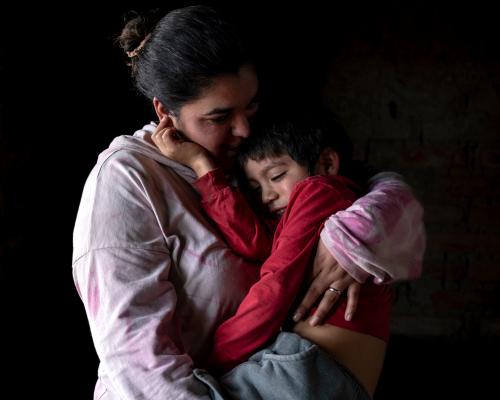
In Allen, a small town in Argentine Patagonia, many people living on the same street ended up falling ill(最终病倒). For some, it was severe migraines(偏头痛), nausea or skin irritation. For others, cancers, congenital abnormalities(先天畸形), miscarriages(流产) or stillbirth(死产) seemed to affect foetuses or children. People say it all started 13 years ago – when a well was drilled near their homes to extract gas and oil.(人们说这一切始于13年前——当时他们家附近钻了一口井,用来开采天然气和石油。)
在阿根廷巴塔哥尼亚的小镇艾伦,同一条街上的许多居民都病倒了。有些人出现严重偏头痛、恶心或皮肤刺激;另一些人则遭遇癌症、先天畸形、流产或死产,似乎波及胎儿或儿童。人们说,这一切始于13年前——当时他们家附近钻了一口井,用来开采天然气和石油。
Calle Ciega 10 [Dead-end Street 10] lies on the eastern edge of Vaca Muerta, a vital area for Argentina’s economy, home to(拥有;是……的所在地) the world’s second-largest reserve(储量) of shale(页岩) gas and fourth-largest reserve of shale oil. The region has more than 2,600 active wells, including one on this small street where about 20 families live, most of them seasonal workers on fruit farms.(该地区有超过2600口活跃的油井,其中一口就位于这条小街上,这里住着约20户人家,大多是水果农场的季节性工人。)
卡列·谢加10号(意为“死胡同街10号”)位于瓦卡穆埃尔塔的东部边缘。瓦卡穆埃尔塔是阿根廷经济的重要区域,拥有世界第二大页岩气储量和第四大页岩油储量。该地区有超过2600口活跃的油井,其中一口就位于这条小街上,这里住着约20户人家,大多是水果农场的季节性工人。
“There have been cases of cancer, and several women had to move away because they could not carry their pregnancies to term(足月妊娠). They kept losing their babies(不断失去孩子). Some were born with illnesses, or died shortly after birth,” says Roxana Valverde, who has lived in the area for nearly 30 years. “Before the well, we didn’t experience these illnesses, or if we did, they were much less common.”(“打井之前,我们没遇到过这些病,即便有,也少见得多。”)
“这里出现过癌症病例,好几名妇女不得不搬走,因为她们无法足月妊娠。她们不断失去孩子。有些婴儿生下来就有病,或者出生后不久就夭折了,”罗克萨娜·巴尔韦德说。她在这个地区住了近30年。“打井之前,我们没遇到过这些病,即便有,也少见得多。”