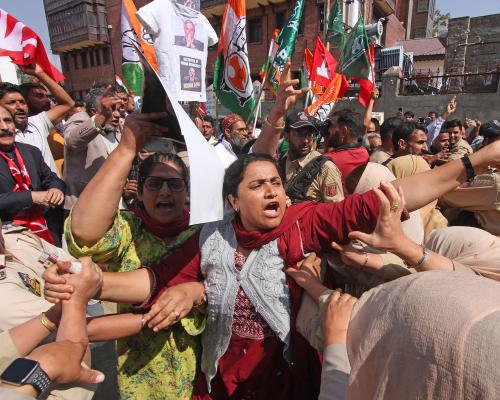
Born into a small village in West Bengal, Shahida Fakir had always taken her vote for granted. That was, until it was suddenly taken away. She presented(出示,提交) officials with her Indian birth certificate and family land documents from the village going back to 1962(追溯到1962年).
沙希达·法基尔出生在西孟加拉邦的一个小村庄,一直把自己的投票权视为理所当然。直到它突然被剥夺。她向官员出示了自己的印度出生证明和可追溯到1962年的家庭土地文件。
Both her parents had been on the electoral roll(选民名册) going back decades, so she showed proof of that too. But when the final revised voter list came out(公布,出版) in April, Fakir was not on it.
她的父母几十年来一直在选民名册上,所以她也出示了相关证明。但当四月份最终修订的选民名单公布时,法基尔却不在上面。
The 38-year-old migrant worker(移民工人), born into a poor Muslim family, was not alone. Since last year, 130 million names – more than the population of Japan – have been removed from India’s electoral roll through a process known as SIR, or special intensive revision. In the nearly eight decades since India’s independence, never have the voter rolls shrunk by such a huge amount over such a short time.(印度独立近八十年来,选民名册从未在如此短的时间内缩水如此之多。)
这位38岁的移民工人出生在一个贫穷的穆斯林家庭,她并非个例。自去年以来,通过一项名为SIR(特别强化修订)的程序,1.3亿个名字——比日本人口还多——已从印度选民名册中被删除。印度独立近八十年来,选民名册从未在如此短的时间内缩水如此之多。