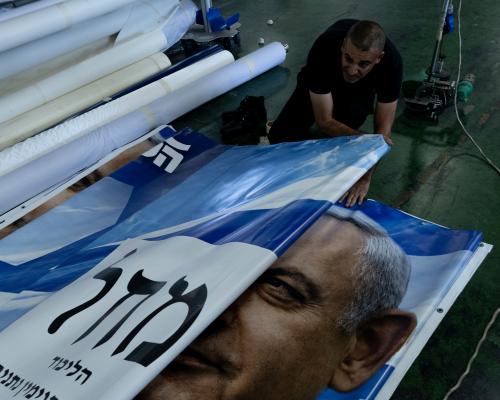
Israel’s 27 October election is fast approaching(迅速临近), with little clarity about(对……几乎不清楚) who will win. But Benjamin Netanyahu is more likely to lose. His polling is poor, and the fractious(内讧不断的、易怒的) opposition parties may yet find a way to form the next government.
以色列10月27日的大选正迅速临近,但谁将胜出仍不明朗。不过,本雅明·内塔尼亚胡更有可能落败。他的民调表现不佳,而内部分裂的反对党或许仍能找到组建下一届政府的办法。
What would such a government do? Most of the Zionist opposition parties, the frontrunners(领跑者、最有望胜出者) to lead such a coalition, have offered bromides(陈词滥调、空洞的安慰话) about good governance(良政、善治) and unifying the country. Others have focused on more specific plans to establish a state commission of inquiry(国家调查委员会) into the government’s failures around the attacks of 7 October 2023, and end the exemption(豁免、免除) from military service enjoyed by most ultra-Orthodox Jewish men.
这样一个政府会做什么?有望领导这一联盟的主要犹太复国主义反对党,大多只是抛出关于良政和团结国家的陈词滥调。另一些政党则提出了更具体的计划:设立国家调查委员会,调查政府在2023年10月7日袭击事件中的失职;并取消大多数极端正统派犹太男性享有的兵役豁免。
But if a new government truly plans to build a better future, Israel needs more profound(深刻的、深远的) changes. Simply ousting(驱逐、赶下台) Netanyahu will not be enough.
但如果新政府真的打算建设更美好的未来,以色列就需要更深刻的变革。仅仅把内塔尼亚胡赶下台是不够的。