Marine life in the Gulf of Mexico plummeted(骤降) by about 60% after BP’s 2010 Deepwater Horizon oil spill(深水地平线漏油事件) and has still not fully recovered, according to a new study.
一项新研究显示,2010年BP深水地平线漏油事件后,墨西哥湾的海洋生物数量骤降约60%,至今仍未完全恢复。
The April 2010 explosion of an offshore drilling unit 50 miles off the Louisiana coast triggered(引发) the largest marine oil spill in history, releasing 134m gallons of oil into the ocean. According to the study published on Monday in PNAS, the disaster – which also killed 11 people and injured 17 others – led to the “sudden, severe and persistent declines in the abundance” of marine life for more than a decade.(根据周一发表在《美国国家科学院院刊》上的研究,这场灾难——还造成11人死亡、17人受伤——导致海洋生物的“丰度突然、严重且持续下降”,持续十余年。)
2010年4月,位于路易斯安那州海岸50英里外的海上钻井平台发生爆炸,引发了史上最大的海洋漏油事故,向海洋释放了1.34亿加仑原油。根据周一发表在《美国国家科学院院刊》(PNAS)上的研究,这场灾难——还造成11人死亡、17人受伤——导致海洋生物的“丰度突然、严重且持续下降”,持续十余年。
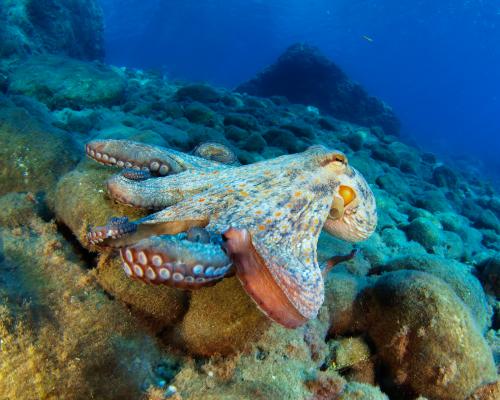
Conducted using acoustic sonar, multi-depth trawling nets and genetic studies, the study revealed dramatic population drops across the gulf between 2011 and 2015: fish declined by 63.5%, macrocrustaceans including shrimp and krill fell by 62% – severely affecting a primary food source for whales – and cephalopods such as squid and octopus dropped by 59.7%.(该研究采用声学声呐、多深度拖网和基因研究,揭示了2011至2015年间整个墨西哥湾种群数量的急剧下降:鱼类减少63.5%,包括虾和磷虾在内的大型甲壳类减少62%——严重影响了鲸类的主要食物来源——鱿鱼和章鱼等头足类减少59.7%。)
该研究采用声学声呐、多深度拖网和基因研究,揭示了2011至2015年间整个墨西哥湾种群数量的急剧下降:鱼类减少63.5%,包括虾和磷虾在内的大型甲壳类减少62%——严重影响了鲸类的主要食物来源——鱿鱼和章鱼等头足类减少59.7%。