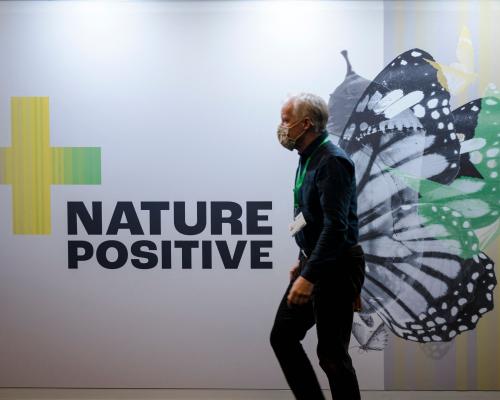
This month, nearly every country on Earth will return to the question of how to stem(遏制;阻止) the rapid destruction of the natural world. Humans are driving it(造成它;驱动它), but so far we have not found a way to stop it.
本月,地球上几乎所有国家都将重新面对同一个问题:如何遏制自然界的快速毁灭。人类正是罪魁祸首,但迄今为止我们尚未找到阻止它的办法。
In late 2022, governments reached an ambitious once-in-a-decade deal to better protect nature amid scientific warnings that the planet is going through the largest loss of life since the extinction of the dinosaurs.(2022年底,各国政府达成了一项雄心勃勃、十年一遇的协议,以更好地保护自然。此前科学界警告称,地球正经历自恐龙灭绝以来最大规模的生物消亡。) Now, they are assessing their progress on the targets for the first time.
2022 年底,各国政府达成了一项雄心勃勃、十年一遇的协议,以更好地保护自然。此前科学界警告称,地球正经历自恐龙灭绝以来最大规模的生物消亡。如今,各国首次评估这些目标的进展。
What is Cop17?
Cop17 是什么?
Every two years, signatories(签署国;签署方) to the UN convention(公约;惯例) on biological diversity (CBD) hold a summit. The convention is one of three created at the Earth Summit in Rio(里约地球峰会) in 1992 alongside climate change and desertification (the latter’s Cop17 having been held in Mongolia in August).
每两年,联合国生物多样性公约(CBD)的签署国都会举行一次峰会。该公约是1992年里约地球峰会上创建的三大公约之一,另外两个分别涉及气候变化和荒漠化(后者的Cop17已于今年8月在蒙古举行)。
When and where is it? Who is in charge?
何时何地举行?由谁主持?
Are the 2030 biodiversity targets out of reach?
2030年生物多样性目标是否遥不可及?
What might an ambitious deal at Cop17 look like – and what might prevent it?
Cop17可能达成怎样的雄心协议?又有哪些阻碍?