Thirty years ago, shortly after South Africa emerged from apartheid(种族隔离制度), I left London for Johannesburg in search of a better life. Not long afterwards, a friend who was preparing to visit from the UK called with an intriguing question: do they have ATMs in South Africa?(没过多久,一位正准备从英国来探望我的朋友打来电话,问了一个耐人寻味的问题:南非有自动取款机吗?)
三十年前,南非刚刚废除种族隔离制度不久,我离开伦敦前往约翰内斯堡,寻求更好的生活。没过多久,一位正准备从英国来探望我的朋友打来电话,问了一个耐人寻味的问题:南非有自动取款机吗?
After I picked myself off the floor(从震惊中缓过神来), I explained that not only did South Africa have ATMs, but in many respects its banking system was far more advanced than the one I had left behind in Britain. She was surprised and – dare I say(恕我直言) – delighted that she wouldn’t have to lug(费力地拖/携带) a wad of cash(一沓现金) around South Africa after all.
等我从震惊中缓过神来,我解释说,南非不仅有自动取款机,而且在许多方面,其银行系统比我离开的英国还要先进得多。她感到很惊讶,而且——恕我直言——也很高兴,因为她终究不必在南非随身带着一大沓现金了。
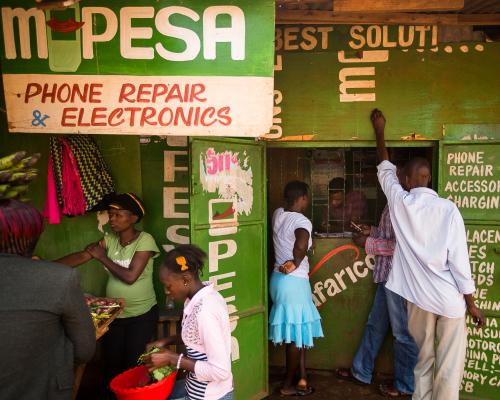
That moment has stayed with me(留在我的记忆中) far longer than it should, because I’ve witnessed too many moments where the continent has persistently surprised and delighted the uninitiated(不了解内情的人). That’s because, for much of the world, the image of Africa still owes more to Live Aid(1985年援助埃塞俄比亚饥荒的慈善演唱会)’s legacy than to the reality.
那一刻在我心中停留的时间远远超出了它应有的长度,因为我见证过太多这样的时刻:这片大陆一再让那些不了解它的人感到惊讶和欣喜。这是因为,对世界上许多人来说,非洲的形象仍然更多来自“现场援助”的遗产,而非现实。