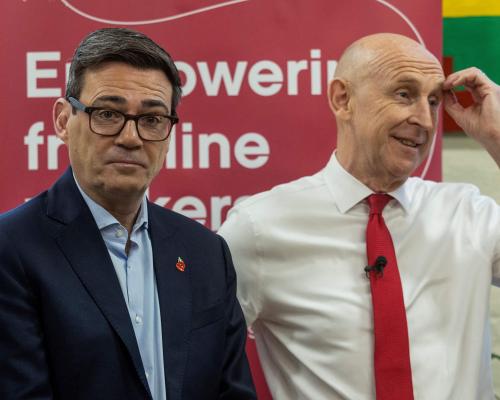
Vibes matter. We live by how we feel – an idea that orthodox economics gets wrong and Andy Burnham’s first budget looks set to get right.(我们凭感觉生活——正统经济学搞错了这一点,而伯纳姆的首份预算案看来要把它纠正过来。)
情绪很重要。我们凭感觉生活——正统经济学恰恰搞错了这一点,而安迪·伯纳姆的首份预算案看来要把它纠正过来。
This walking good-vibes maestro(大师) is spreading a confetti of small good deeds. These may not shift the dial(改变局面) yet on 40 years of neoliberal(新自由主义的) economics, but they show the way he’s heading. Eyecatching everyday things – from capping bus fares to that small but resonant(引起共鸣的) sum of £45 VAT on average off electricity bills – get people talking(引发议论), alongside bigger plans for a national care service(英国全国照护服务体系改革), electoral reform(英国选举制度改革议题) and a possible journey back to the EU(英国重返欧盟的设想).
这位行走的“好感大师”正在四处播撒善举的彩纸屑。这些举措或许还撼动不了四十年新自由主义经济学的指针,却显示出他的前进方向。从公交票价封顶,到平均每户电费减免45英镑增值税这笔不大却意味深长的数目,这些抓人眼球的日常小事让人们议论纷纷;与此同时,还有建立全国照护服务体系、选举改革以及可能重返欧盟等更大计划。
Though his first budget is billed as unradical(不激进的), one tax rise stands out for its Burnham vibes. After years of no penalties, no apologies, no payback for their bailout(救助、纾困) from the crash they caused, banks face a tax rise. The Tories’ cuts to the bank levy(征税、税款) and bank profits surcharge(银行利润附加税) were left in place by Rachel Reeves(英国前财政大臣). No longer.
尽管他的首份预算案被宣传为“不激进”,但有一项增税却格外透着伯纳姆式的“情绪价值”。多年来,银行既未受惩罚,也未道歉,更未为那场由它们引发、却要纳税人救助的危机作出回报;如今,银行面临增税。保守党对银行税和银行利润附加税的削减,被蕾切尔·里夫斯原样保留了下来。这种情况不会再继续了。