It is undoubtedly too early to declare victory, but the recent electoral defeats of Viktor Orbán, Aleksandar Vučić and Flávio Bolsonaro make me wonder: is 2026 turning out to be the year democracy slowly, but surely, fought back?(现在宣布胜利无疑为时过早,但欧尔班、武契奇和博索纳罗最近在选举中接连落败,让我不禁想问:2026年会不会成为民主缓慢但坚定地反击的一年?)
现在宣布胜利无疑为时过早,但欧尔班·维克托、亚历山大·武契奇和弗拉维奥·博索纳罗最近在选举中接连落败,让我不禁想问:2026年会不会成为民主缓慢但坚定地反击的一年?
Even in Israel, prime minister Benjamin Netanyahu’s reigning(执政的) bloc(集团,联盟) lost its parliamentary majority and saw the spectacular(惊人的,壮观的) rise of Arab parties. Though the opposition may not be able to form a government(组建政府) yet, it does have the larger parliamentary bloc.
甚至在以色列,总理本雅明·内塔尼亚胡领导的执政联盟也失去了议会多数席位,并目睹了阿拉伯政党令人瞩目的崛起。尽管反对派或许还无法组建政府,但它确实拥有更大的议会党团。
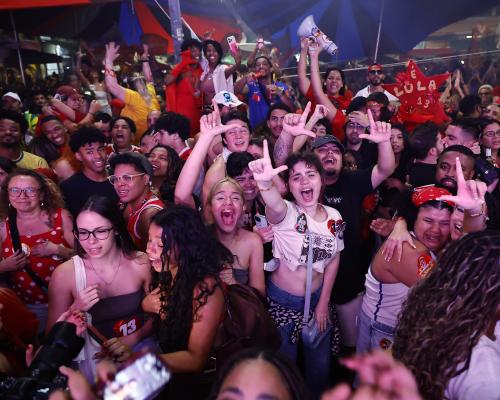
The shift began with an astonishing election result in Hungary in April. Against all odds, Orbán, the EU’s most deeply entrenched(根深蒂固的) autocrat(独裁者), was unseat(使下台)ed by challenger Péter Magyar. Over his long years in office, Orbán had done everything possible to consolidate(巩固) and perpetuate(使延续) his authoritarian grip on power(对权力的掌控). The media were in his pocket, the judiciary ate from his hand and academic freedom was systematically curtail(削减,限制)ed. Yet a broad civic movement coalesce(联合,凝聚)d around Magyar’s party and succeeded in oust(驱逐,赶下台)ing him. The banks of the Danube witnessed their most exuberant(欢腾的,热情洋溢的) night of celebration this century.
这一转变始于四月匈牙利一场令人震惊的选举结果。欧尔班是欧盟内部根基最深的独裁者,却出人意料地被挑战者彼得·马扎尔拉下马。在长期执政期间,欧尔班竭尽所能巩固并延续其威权统治。媒体被他掌控,司法听命于他,学术自由遭到系统性压制。然而,一场广泛的公民运动围绕马扎尔的政党凝聚起来,成功将他赶下台。多瑙河两岸见证了这个世纪以来他们最欢腾的庆祝之夜。