Gabriel Weston made a mistake at work this summer. It doesn’t define her – she was and is a well-regarded NHS surgeon and author – but it was serious enough, as she explained in an extraordinarily candid(坦率的) series of Instagram and Substack posts this month, to prompt an investigation that left her feeling “ashamed and alone and really quite nervous”. Whatever went wrong in the operating theatre was bad enough to be classed a “never event” (something that should never be able to happen if the process is working properly) and triggered a nagging anxiety that she might somehow do it again, unless she figured out where she had unexpectedly gone wrong.(手术室里发生的任何问题都严重到被归类为“绝不事件”,并引发了她可能重蹈覆辙的焦虑,除非她弄清楚自己究竟哪里出了差错。)
今年夏天,加布里埃尔·韦斯顿在工作中犯了一个错误。这个错误并不能定义她——她过去是、现在仍然是一位备受尊敬的NHS外科医生和作家——但正如她本月在Instagram和Substack上发布的一系列极其坦率的帖子中所解释的那样,这个错误严重到足以引发一项调查,让她感到“羞愧、孤独,而且真的相当紧张”。手术室里发生的任何问题都严重到被归类为“绝不事件”(如果流程正常运转,就绝不应该发生的事情),并引发了一种挥之不去的焦虑:除非她弄清楚自己究竟在哪儿出了意想不到的差错,否则她可能还会再犯。
It’s a fascinating insight into a process that most people never have the courage to talk about openly. But it also highlights why it’s so hard in practice for doctors and other professionals to acknowledge and learn from mistakes – as every public inquiry into every public scandal ends up recommending, only to repeat it all over again after the next one – rather than close ranks and cover up.(但它也凸显了为什么在实践中医生和其他专业人士如此难以承认错误并从中学习——正如每次公开调查都建议这样做,却在下次丑闻后重蹈覆辙——而不是抱团遮掩。) Weston says she only spoke up out of frustration with what she saw as her employers’ failure to support her (she had asked to reduce what she considered an overloaded operating list to take some pressure off, which she says has now happened, leaving her full of praise for the hospital’s ultimate response). Judging by the responses to her posts, she’s not alone.
这是对一个大多数人从不敢公开谈论的过程的迷人洞察。但它也凸显了为什么在实践中,医生和其他专业人士如此难以承认错误并从中学习——正如每一次对每一桩公共丑闻的公开调查最终都会提出这样的建议,却在下一次丑闻之后再次重蹈覆辙——而不是抱团遮掩。韦斯顿说,她之所以站出来发声,只是因为她对雇主未能支持她感到沮丧(她曾要求减少她认为超负荷的手术安排以减轻一些压力,她说现在这一要求已经实现,这让她对医院最终的反应充满赞誉)。从她帖子下的回应来看,她并不孤单。
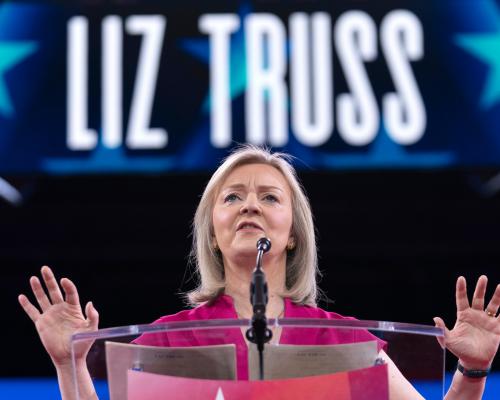
I thought of Weston this week when Liz Truss published Bank Job, the second book she has written in two years circling the drain(走向末路、每况愈下) of her career. This one seems if anything even less self-aware(有自知之明的), blaming the Bank of England, not herself, for the spectacular failure of her mini-budget (even her old cheerleaders at the Telegraph called it deranged(疯狂的、精神错乱的)). But it’s also oddly sad. There’s something near-pathological about the inability to engage with(正视、认真对待) an excruciatingly(极其痛苦地) public failure, as if the truth would shatter her. She can’t seem to leave the whole episode alone – can’t withdraw, as Keir Starmer has, into stony silence about his own prematurely curtailed time in Downing Street – yet can’t really face it head-on either.(她似乎无法对整件事放手——不能像基尔·斯塔默那样,对自己在唐宁街过早结束的任期保持冷冰冰的沉默——但也不能真正直面它。)
本周利兹·特拉斯出版《银行职事》时,我想起了韦斯顿。这是她两年内写的第二本书,围绕着她职业生涯的溃败打转。这本书似乎更加缺乏自知之明,把她的迷你预算的惨败归咎于英格兰银行,而不是她自己(就连她在《每日电讯报》的老吹捧者也称其“疯狂”)。但这也奇怪地令人悲哀。一个人无法面对一场极其公开的失败,仿佛真相会击碎她,这近乎病态。她似乎无法对整件事放手——不能像基尔·斯塔默那样,对自己在唐宁街过早结束的任期保持冷冰冰的沉默——但也不能真正直面它。