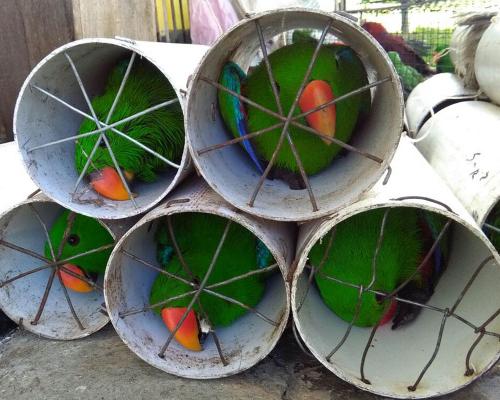
The number of plant and animal species in use(正在被使用) or sold in the wildlife trade is more than twice as high as(是……的两倍以上) previously(此前,先前) thought, researchers have discovered.
研究人员发现,正在被使用或在野生动植物贸易中被出售的动植物物种数量,是此前估计的两倍以上。
A study, published in Science Advances, warns that there are huge gaps in global assessments of how wildlife is traded, and that past estimates have failed to keep up with changes such as the boom in the online exotic pet trade, where sellers offering to post spider eggs across the world or sneak reptiles on to planes are just a click away.(一项发表于《科学进展》的研究警告说,全球对野生动植物贸易方式的评估存在巨大空白,过去的估计未能跟上变化,例如线上异域宠物贸易的兴起——在那里,卖家只需点击一下,就能提供把蜘蛛卵寄往世界各地或把爬行动物偷偷带上飞机的服务。)
一项发表于《科学进展》的研究警告说,全球对野生动植物贸易方式的评估存在巨大空白,过去的估计未能跟上变化,例如线上异域宠物贸易的兴起——在那里,卖家只需点击一下,就能提供把蜘蛛卵寄往世界各地或把爬行动物偷偷带上飞机的服务。
“The dimensions(规模,范围) of trade have changed. Without monitoring it in a representative way(以有代表性的方式), we cannot manage it,” said Alice Hughes, a professor at the University of Melbourne and lead author of the study. “At the moment, we are completely underestimating what modern trade looks like – for the pet trade and for the ornamental(装饰性的) trade, we are not capturing it. And it poses a major risk to species.”
“贸易的规模已经改变。如果不以有代表性的方式加以监测,我们就无法管理它,”该研究第一作者、墨尔本大学教授爱丽丝·休斯说。“目前,我们完全低估了现代贸易的样貌——无论是宠物贸易还是装饰品贸易,我们都没有捕捉到。这给物种带来了重大风险。”