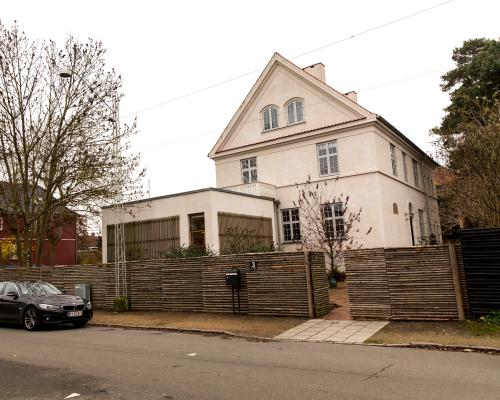
In a quiet suburb on the outskirts(郊区,边缘地带) of Copenhagen sits a large white house, set back((建筑)退后,远离道路) from the road behind a purple-leaved plum tree. It looks much like the rest of the buildings on the street and there is little outward(外表的,向外的) sign this is Josephine Schneider’s House(丹麦著名儿童之家,全球标杆), considered one of the best children’s homes in the world.
哥本哈根郊外一个安静的住宅区里,坐落着一栋白色大房子,它退在路边,前面隔着一棵紫叶李。这栋房子和街上其他建筑看上去没什么两样,从外表几乎看不出它就是约瑟芬·施奈德之家——一所被认为是世界上最好的儿童之家。
Danish children’s homes are often cited as the gold standard(黄金标准,最高典范) of children’s residential(寄宿的,居住的) care globally. They are now being studied by the British government as it tries to create a roadmap out of the crisis in which its own children’s home system has become mired.(英国政府正在研究它们,试图为自己深陷危机的儿童之家体系规划出一条出路。)
丹麦的儿童之家常被视为全球儿童寄宿照护的黄金标准。如今英国政府正在研究它们,试图为自己深陷危机的儿童之家体系规划出一条出路。
Last year there were 669 children living in illegal, unregistered(未注册的,未登记的) children’s homes across England, with council(地方议会,市政当局)s paying more than £125m of taxpayers’ money(纳税人的钱) to keep them there.
去年,英格兰各地有669名儿童生活在非法、未注册的儿童之家,地方政府为此花费了超过1.25亿英镑的纳税人资金。