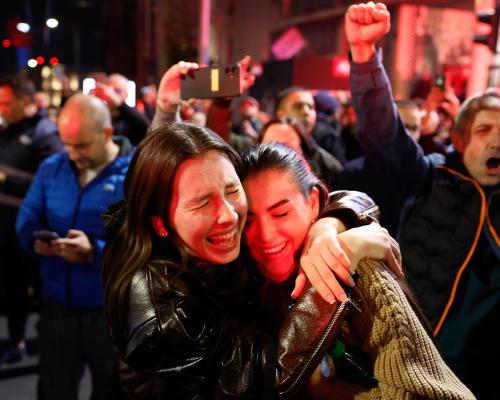
In April of last year, dozens of students set off from Serbia, intent on(决心要) making it to Strasbourg, France on bicycles. The aim of the arduous(艰苦的), 13-day transcontinental(横跨大陆的) journey was simple: to make their voices heard(发出自己的声音) in Europe and beyond.
去年四月,数十名学生从塞尔维亚出发,决心骑自行车前往法国斯特拉斯堡。这段艰苦的13天跨洲旅程目的很简单:让欧洲乃至更远的地方听到他们的声音。
In their home city of Novi Sad, students had been holding near-daily protests after a deadly roof collapse at the city’s main railway station. As their push for accountability and justice spread across the country, it was met with baton-wielding police, teargas and a political class that branded these young people as traitors.(随着他们要求问责和正义的呼声蔓延全国,迎接他们的是挥舞警棍的警察、催泪瓦斯,以及一个将这些年轻人污蔑为叛徒的政治阶层。)
在他们的家乡诺维萨德,学生们在市中心火车站发生致命顶棚坍塌后,几乎每天都举行抗议。随着他们要求问责和正义的呼声蔓延全国,迎接他们的是挥舞警棍的警察、催泪瓦斯,以及一个将这些年轻人污蔑为叛徒的政治阶层。
Their trek(长途跋涉) to Strasbourg(斯特拉斯堡:欧洲人权与议会之都) was aimed at casting a spotlight on(使……受到关注) the deepening erosion(侵蚀、削弱) of democratic values in their home country. “Serbia needs Europe’s support,” the students explained in an open letter to the French president, Emmanuel Macron, as they arrived in Strasbourg and met with MEPs and officials.(“塞尔维亚需要欧洲的支持,”学生们在抵达斯特拉斯堡并会见欧洲议会议员和官员时,在致法国总统埃马纽埃尔·马克龙的公开信中解释道。) “We are not riding toward Europe to flee Serbia. We are riding to bring it back.”
他们前往斯特拉斯堡的跋涉旨在让外界关注祖国民主价值观日益加深的侵蚀。“塞尔维亚需要欧洲的支持,”学生们在抵达斯特拉斯堡并会见欧洲议会议员和官员时,在致法国总统埃马纽埃尔·马克龙的公开信中解释道。“我们骑车奔向欧洲,不是为了逃离塞尔维亚。我们是为了把它带回来。”