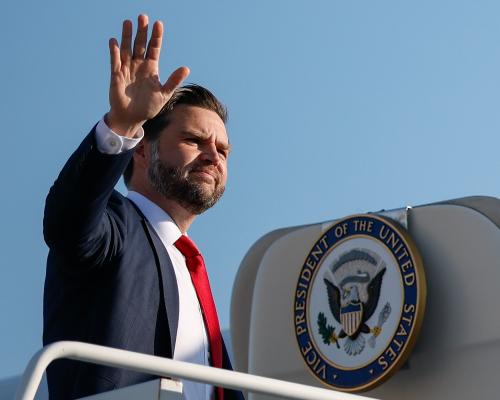
Hopes of averting a major new conflagration between Iran and the US soon after Tuesday’s midterm elections could rest on Iran’s response to a personal letter from the US vice-president, JD Vance, offering to restart diplomacy.(能否避免美伊在中期选举后不久爆发新的大战,希望或许系于伊朗对副总统万斯亲笔信的回应,信中提出重启外交。)
能否避免伊朗与美国在周二中期选举后不久爆发一场新的大规模战火,希望或许就系于伊朗如何回应美国副总统万斯的一封亲笔信——信中提出重启外交谈判。
The letter, written after predominantly Qatari mediation(斡旋、调解), was sent to the secretary of Iran’s supreme national security council, Mohsen Rezaei on Sunday. It requires Tehran to agree to make commitments on its nuclear programme at the start of a process that would lead to the opening of the strait of Hormuz within seven days in return for US sanctions relief.(信中要求德黑兰在一个进程之初就核计划作出承诺,该进程将在七天内促成霍尔木兹海峡开放,以换取美国解除制裁。)
这封信主要是在卡塔尔斡旋下写成的,于周日送达伊朗最高国家安全委员会秘书穆赫辛·雷扎伊手中。信中要求德黑兰在一个进程之初就核计划作出承诺,该进程将在七天内促成霍尔木兹海峡重新开放,以换取美国解除制裁。
A reply is imminent, but Iran is reluctant to give upfront and irreversible commitments on its nuclear programme, such as exporting its stockpile of highly enriched uranium to a third country, if the compensatory US steps, such as lifting sanctions on Iranian oil exports, are reversible.(伊朗的回复即将到来,但如果美方的补偿措施(如解除石油出口制裁)是可逆的,伊朗就不愿在核计划上作出事先的、不可逆的承诺,例如把高浓缩铀库存运往第三国。)
伊朗的回复即将到来,但如果美方的补偿措施——比如解除对伊朗石油出口的制裁——是可逆的,伊朗就不愿在核计划上作出事先的、不可逆的承诺,例如把高浓缩铀库存运往第三国。