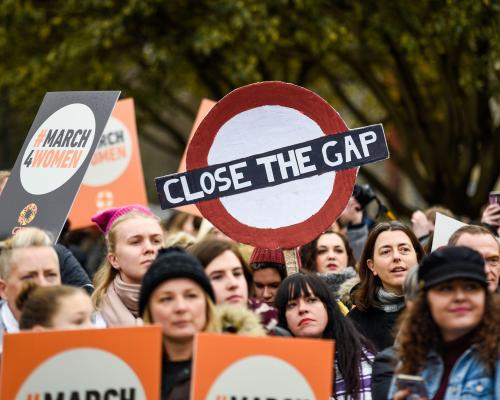
Would you like to know what your colleagues are paid? If the Equality and Human Rights Commission(平等与人权委员会) gets its way(如愿以偿), you will be able to find out. Under its proposals, workers will be able to request detailed information about the pay, bonuses and other perks(额外福利) received by their co-workers. The government agency argues that if we increase pay transparency(透明度), we can also reduce the pay gap(薪酬差距) between men and women. But countries that have tried this model have discovered that there are downsides(缺点,负面) to it too.
你想知道同事的薪资吗?如果平等与人权委员会如愿以偿,你就能查到了。根据其提案,员工将可以要求获取同事的薪资、奖金及其他福利的详细信息。该政府机构认为,提高薪酬透明度也能缩小男女薪酬差距。但尝试过这一模式的国家发现,它也有负面影响。
The gap between men’s and women’s pay had started to close when equal pay legislation was introduced in Britain in the 1970s, and then more women moved into previous male-dominated occupations in the 80s and 90s.(20世纪70年代英国引入同工同酬立法时,男女薪酬差距开始缩小,随后在80年代和90年代,更多女性进入了此前由男性主导的职业。) Today, women in the UK earn on average about 6.8% less than what men earn.
20世纪70年代英国引入同工同酬立法时,男女薪酬差距开始缩小,随后在80年代和90年代,更多女性进入了此前由男性主导的职业。如今,英国女性平均收入比男性低约6.8%。
This has left policymakers asking what else can they do. One intervention(干预措施) that dozens of countries have adopted is some form of pay transparency. The idea is that allowing people to understand what others are paid will help to shine a light on blatant inequalities, ultimately creating social pressure to remove them.(其理念是,让人们了解他人的薪酬有助于揭露明显的不平等,最终形成消除这些不平等的社会压力。)
这让政策制定者不禁要问,他们还能做些什么。数十个国家采取的一项干预措施是某种形式的薪酬透明。其理念是,让人们了解他人的薪酬有助于揭露明显的不平等,最终形成消除这些不平等的社会压力。