A sequence of four pivotal elections over the past two weeks in disparate regions of the world has inflicted significant setbacks on authoritarian leaders, and inspired renewed faith that democracy is more resilient than had been feared.(过去两周,世界不同地区接连举行四场关键选举,让威权领导人遭受重大挫折,也让人们重新燃起信心:民主比此前担心的更有韧性。)
过去两周,世界不同地区接连举行四场关键选举,让威权领导人遭受重大挫折,也让人们重新燃起信心:民主比此前担心的更有韧性。
The elections in Brazil, Serbia, Israel and the US were held in widely varying circumstances with unique factors, but each showed the power of grassroots activism to produce surprises that pushed back against would-be autocrats and could perhaps begin to reverse a worldwide drift towards authoritarianism.(巴西、塞尔维亚、以色列和美国的选举背景各异、因素独特,但每一场都展示了基层行动主义的力量:它能制造意外,击退那些想当独裁者的人,或许还能开始扭转全球滑向威权主义的趋势。)
巴西、塞尔维亚、以色列和美国的选举背景各异、因素独特,但每一场都展示了基层行动主义的力量:它能制造意外,击退那些想当独裁者的人,或许还能开始扭转全球滑向威权主义的趋势。
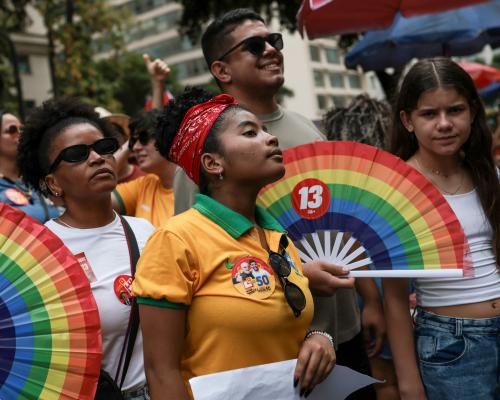
In Brazil, a surge in turnout in the second round of presidential elections on 25 October, fuelled by grassroots activism and the canny use of social media, stopped a far-right authoritarian movement consolidating its grip on the country, three weeks after it won control of Congress and established a strong lead in the contest for the presidency.(在巴西,10月25日总统选举第二轮投票率飙升,这得益于基层行动主义和社交媒体的巧妙运用,阻止了一场极右翼威权运动巩固对国家的控制——而就在三周前,该运动刚赢得国会控制权,并在总统竞选中大幅领先。)
在巴西,10月25日总统选举第二轮投票率飙升,这得益于基层行动主义和社交媒体的巧妙运用,阻止了一场极右翼威权运动巩固对国家的控制——而就在三周前,该运动刚赢得国会控制权,并在总统竞选中大幅领先。
Israel
以色列
United States
美国