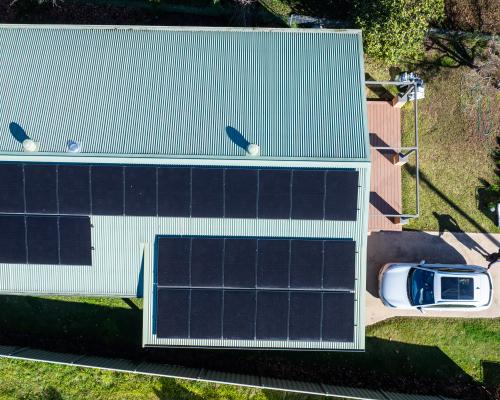
As Jim Chalmers, the treasurer(财政部长), comes under increasing pressure(面临越来越大的压力) to fight inflation by slashing(大幅削减) spending in the midyear budget update(年中预算更新), the drumbeat is loudest(呼声最高) for cuts in one specific area: green energy subsidies for households.
随着财政部长吉姆·查默斯面临越来越大的压力,要求他在年中预算更新中通过削减支出来对抗通胀,呼吁削减一个特定领域——家庭绿色能源补贴——的声音最为响亮。
Receiving the most focus is the cheaper home batteries program, which from July last year has offered a taxpayer-backed(纳税人支持的) 30% rebate(退税,补贴) to households and businesses.
最受关注的是更便宜的家庭电池计划,该计划自去年7月起为家庭和企业提供由纳税人支持的30%退税。
The scheme has become a victim of its own success(自身成功的受害者). Treasury officials originally estimated it would lead to a million new batteries by 2030 at a cost of $2.3bn. The latest estimate is more than triple(三倍) that figure, and only after a tweak(微调) to the policy.
该计划已成为自身成功的受害者。财政部官员最初估计,到2030年该计划将带来100万块新电池,成本为23亿美元。最新估计是这一数字的三倍多,而且这还是在对政策进行调整之后。