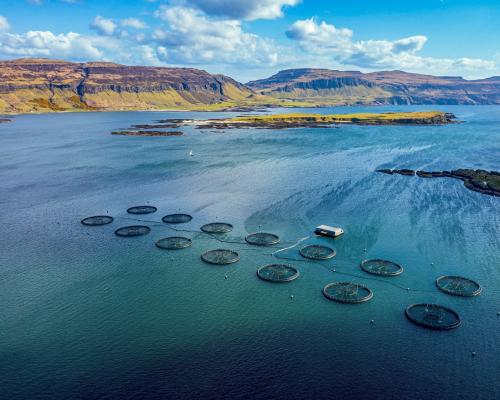
The first haul(一网次捕获量;收获量) of farmed salmon in Britain was a relatively modest(不大的;适度的) 14 tonnes, produced off the west coast of Scotland(在苏格兰西海岸附近海域) near Fort William in 1971.
1971年,英国在苏格兰西海岸威廉堡附近收获了首批养殖三文鱼,产量相对有限,仅为14吨。
For Unilever, the vast multinational that pioneered(开创;率先使用) salmon farming, it was a triumph(巨大成功;胜利) after years of experimenting with how to cage fish, battle against diseases(与疾病作斗争) and cope with the wild weather(应对恶劣天气). Unilever had spotted in the 1960s that farming salmon, which until then was caught wild and remained a relative luxury, would create a mass market, lower costs and provide steady profits.(联合利华在20世纪60年代就发现,养殖三文鱼将开辟大众市场、降低成本并带来稳定利润,而在此之前,三文鱼只能野生捕捞,仍属相对奢侈的消费品。) By 1976, it had expanded into three Scottish sites producing 116 tonnes of fish each year.
对于联合利华这家开创三文鱼养殖业的跨国巨头而言,这是多年试验的胜利——他们摸索如何用网箱养鱼、对抗疾病、应对恶劣天气。20世纪60年代,联合利华就发现,养殖三文鱼将开辟大众市场、降低成本并带来稳定利润,而在此之前,三文鱼只能野生捕捞,仍属相对奢侈的消费品。到1976年,联合利华已扩展至苏格兰的三个养殖场,年产量达116吨。
Today the British farmed salmon industry – worth(价值……的) £1bn a year – produces about 205,000 tonnes of fish a year, and employs 2,500 people in Scotland.
如今,英国养殖三文鱼产业年产值达10亿英镑,年产量约20.5万吨,在苏格兰雇用了2500人。