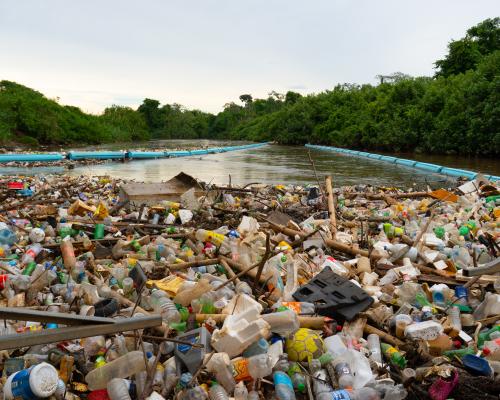
Life in San Miguelito has long been dictated(支配;决定) by rubbish. Routes to the shop are carefully navigated to avoid pungent(刺鼻的;臭气熏天的) mountains of rotting waste, some visible from space. Driving during the rainy season is a perilous(危险的;险象环生的) obstacle course(障碍赛;重重障碍), dodging black bin bags and rusty fridges in the middle of the road. Children are taught early to avoid the river, the rubbish, the rats, yet mosquito-borne diseases(蚊媒疾病) still stalk(肆虐;潜行追踪) the community.
圣米格利托的生活长期被垃圾左右。去商店的路要小心规划,以避开散发恶臭的腐烂垃圾山——有些垃圾堆甚至从太空都能看到。雨季开车如同危险的障碍赛,要躲避路中间的黑色垃圾袋和生锈的冰箱。孩子们从小就被教导要远离河流、垃圾和老鼠,但蚊媒疾病仍然在社区中肆虐。
For Yamileth, who lives with her family on one of the steep, narrow streets that thread the hillside neighbourhood, the waste is a constant backdrop to daily life.(对亚米莱斯来说,垃圾是日常生活中挥之不去的背景。她和家人住在一条陡峭狭窄的街道上,这样的街道蜿蜒穿过山坡社区。) Mornings are punctuated(不时打断;点缀) by the stench and buzz of flies, and in the evenings you can hear rats scuttling(碎步快跑;窸窣跑动) and stray dogs rustling(沙沙作响;窸窣声) as they rip open bags in search of food among the rubbish heaps, known in slang as patacones(巴拿马俚语中的垃圾堆;也是一种油炸芭蕉片) (also the name of a staple side dish made from green plantains).
对亚米莱斯来说,垃圾是日常生活中挥之不去的背景。她和家人住在一条陡峭狭窄的街道上,这样的街道蜿蜒穿过山坡社区。早晨,恶臭和苍蝇的嗡嗡声不时打断宁静;傍晚,你能听到老鼠窸窸窣窣地跑动,流浪狗在垃圾堆里翻找食物时撕开袋子的沙沙声。这些垃圾堆在俚语中被称为“patacones”(也是一种用青芭蕉制成的主食配菜的名字)。
“Since forever, we’ve had trash everywhere, flies, odours(气味;臭味) bothering us all day long,” she says, her daughter peeking(偷看;探出头) around the porch door. “No one wants to live like that. Dengue is very common here. One of our neighbours died from it. We’re really worried about our children getting sick because of the trash. We live in the city, but we feel abandoned(被遗弃的;被抛弃的).”
“一直以来,我们到处都是垃圾,苍蝇、臭味整天困扰着我们,”她说,女儿从门廊门后探出头来。“没人愿意这样生活。登革热在这里很常见。我们的一位邻居就死于登革热。我们真的很担心孩子因为垃圾而生病。我们住在城市里,却感觉被遗弃了。”