Mounds of rubbish, the stench(恶臭) of raw sewage(未经处理的污水) and, at night, roaming drug dealers and gangs. These are the streets of a forsaken neighbourhood in Cairo that Sudanese children call home, after fleeing the violence of their country’s civil war.(这些就是开罗一个被遗弃街区的街道,逃离本国战乱的苏丹儿童却把这里称作“家”。)
成堆的垃圾、未经处理污水的恶臭,以及夜间四处游荡的毒贩和帮派。这些就是开罗一个被遗弃街区的街道景象,逃离本国战乱的苏丹儿童却把这里称作“家”。
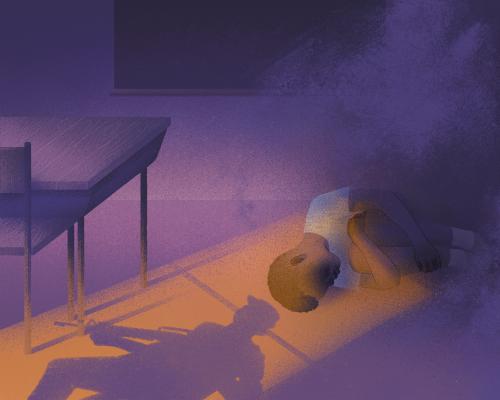
It is here that Tala*, a social worker, spends her days trying to bring deeply traumatised(受创伤的) war refugees back from the brink(从边缘拉回). She shares the story of an eight-year-old boy who was suicidal, repeatedly telling his mother that he wanted to die so he could join his father, who was killed in Sudan before they fled to Egypt.(她讲述了一个八岁男孩的故事:他曾有自杀倾向,反复告诉母亲自己想死,好去陪伴在苏丹被杀、未能一起逃到埃及的父亲。)
就在这里,社工塔拉*日复一日地试图把深受创伤的战争难民从崩溃边缘拉回来。她讲述了一个八岁男孩的故事:他曾有自杀倾向,反复告诉母亲自己想死,好去陪伴在苏丹被杀、未能一起逃到埃及的父亲。
The boy would become hysterical(歇斯底里的) over small things, she says. Trauma and fear had turned to anger, and he was constantly looking for ways to hurt himself and others. Over several months, Tala worked to build rapport with the boy, helping him return to education.(几个月里,塔拉努力与他建立信任,帮助他重返教育。)
她说,这个男孩常因小事变得歇斯底里。创伤和恐惧已转化为愤怒,他不断寻找伤害自己和他人的方式。几个月里,塔拉努力与他建立信任,帮助他重返教育。