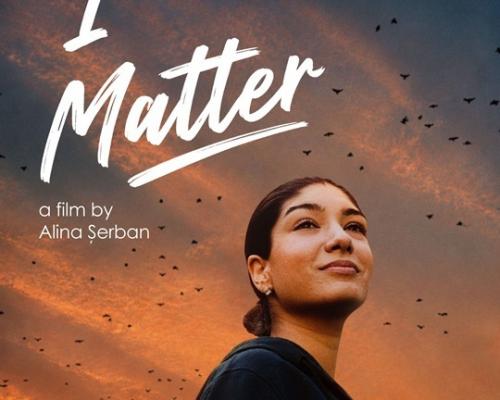
Growing up in Romania, whenever Alina Șerban spotted Roma people on television or in movies, they were usually cast as villains or depicted as somehow exotic.(在罗马尼亚长大的阿丽娜·谢尔班,每次在电视或电影里看到罗姆人,他们通常都被塑造成反派,或者被描绘得有些异域风情。)
在罗马尼亚长大的阿丽娜·谢尔班,每次在电视或电影里看到罗姆人,他们通常都被塑造成反派,或者被描绘得有些异域风情。
But this week the Romany actor and film-maker is part of a cohort(一群同类人;一批人) pushing back against this stereotyping, joining forces with(与……联手;与……合作) Romany film-makers from across Europe in a landmark(里程碑式的;具有转折意义的) screening of seven films during the Seville European film festival.
但本周,这位罗姆演员兼电影人成为反击这种刻板印象的一员,她与来自欧洲各地的罗姆电影人联手,在塞维利亚欧洲电影节期间举办了一场具有里程碑意义的七部影片展映。
“It’s work made by us, not just about us,” said Șerban. “I was raised in a world where everything I heard about my community came from the exterior(我成长的世界里,关于我所在社区的一切信息都来自外部。) … The perspective is finally being centred(以……为中心;被置于中心).”
“这是由我们创作的作品,而不仅仅是关于我们的作品,”谢尔班说。“我成长的世界里,关于我所在社区的一切信息都来自外部……现在终于以我们的视角为中心了。”